
Future of Natural Gas Poses Risk to Oregon Customers
Posted on October 20, 2021 by Bob Jenks
Tags, Energy
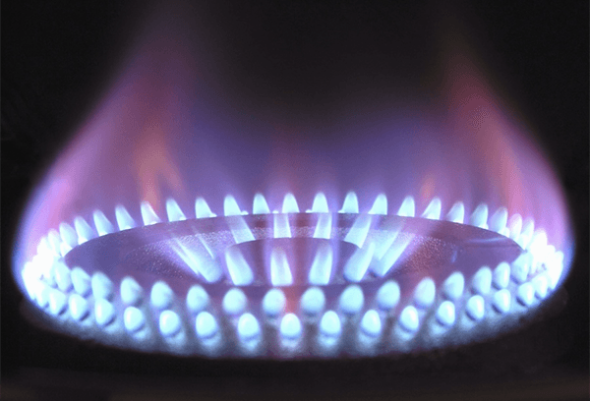
Natural gas is a fossil fuel, and the climate crisis makes clear that we must stop burning fossil fuels. This fact raises questions about the future of natural gas. It also poses significant risks to customers who will likely face significantly higher costs as the utilities attempt to reduce their greenhouse gas emissions.
Gas utilities are going to have to cut emissions. Oregon Department of Environmental Quality (DEQ) is working to implement the Oregon Climate Protection Plan, which will require emission reductions of 45 percent by 2035 and 80 percent by 2050.
There are essentially three ways to cut natural gas emissions:
1. Energy Efficiency. Because much of the gas delivered by gas utilities goes to heating buildings, investments in building weatherization will reduce gas emissions by reducing the need for heat.
2. Cleaner gas. While natural gas is a fossil fuel, there are some less polluting substitutes. Renewable natural gas (RNG) is methane that can come from wastewater treatment plants (see CUB Accomplishments in Water/Wastewater: Spinning Money from Methane in Portland for a local example,) landfills, and dairy operations through a process called anaerobic digestion. However, the expected supplies of it are limited. A different technology called thermal gasification uses steam and high temperatures to break down biomass feedstock particles into gas fuel. This technology might be commercialized and could add more capacity, but at a significantly higher cost. Finally, hydrogen gas can be used as a fuel and blended in limited amounts into the gas supply. This works by producing hydrogen from electricity through a process called electrolysis.
One problem with cleaner gas is that it is likely to be in demand for other uses than residential energy. For example, the RNG produced by the City of Portland at its wastewater treatment plant is sold as truck fuel to displace diesel. Many studies that model a clean decarbonized economy see RNG and hydrogen as fuel for airlines, interstate trucking, international shipping, and industrial processes such as cement manufacturing.
3. Electrification. Switching some uses of natural gas to electricity will lower emissions and the benefit of this will grow as the electric sector phases out coal and moves toward 100 percent clean electricity. But switching to electricity means switching that usage from the local gas utility to the local electric utility. For heating buildings, electric heat pumps are an efficient technology that also provides cooling in the summer. Regular heat pumps work extremely well until temperatures get below 40 degrees, where they become less efficient but still provide electric heat. Dual fuel heat pumps switch to a gas furnace when the temperature goes below 40. Cold weather electric heat pumps work well down to temperatures that are below zero, but cold weather heat pumps are more expensive. And there are many customers who do not have the means to purchase a heat pump at all, and/or rent their homes and don’t have the option to switch heating systems.
Oregon has three natural gas utilities and all three submitted draft plans to comply with the new, expected Oregon regulations. CUB found that all three utilities’ plans rely on technology that is not currently commercialized. Northwest Natural’s plan includes electrifying about 25 percent of its heating load by incentivizing dual fuel heat pumps.
Ultimately, reducing greenhouse gas emissions from gas utilities will mean higher costs and greater risks. RNG costs significantly more than fossil gas and how much will be available is unknown. It is unclear how much hydrogen will cost and how much of it can be blended into the gas system. Meanwhile, other uses of those fuels will compete with gas utilities. Electrification reduces load on the gas system, but when the costs of the gas system are spread across a lower load, it increases prices. As costs go up, customers who can afford to install a heat pump may do so, leaving a higher cost gas system to serve a lower-income set of customers. And because furnaces have 20-year useful lives, electrification will happen slowly over time.
After a request by CUB, the Oregon Public Utility Commission opened an investigation to consider the risks associated with emissions and gas utilities. So far, that investigation has confirmed that there are significant customer risks associate with gas utilities reducing emissions. Now that investigation is moving to consider the tools that may be available to manage these risks.
Ultimately, we need to reduce greenhouse gas emissions and ensure that customers can affordably heat their homes and businesses. Increasing regulations, like the DEQ’s new climate rules, will determine the pace of the emissions reductions. Every step along the way, CUB will be demanding that our utilities find ways to meet those requirements while keeping bills affordable.

To keep up with CUB, like us on Facebook and follow us on Twitter!



10/20/21 | 1 Comment | Future of Natural Gas Poses Risk to Oregon Customers