
2020 Snowpack Update
Posted on March 5, 2020 by Jack Watson
Tags, Energy
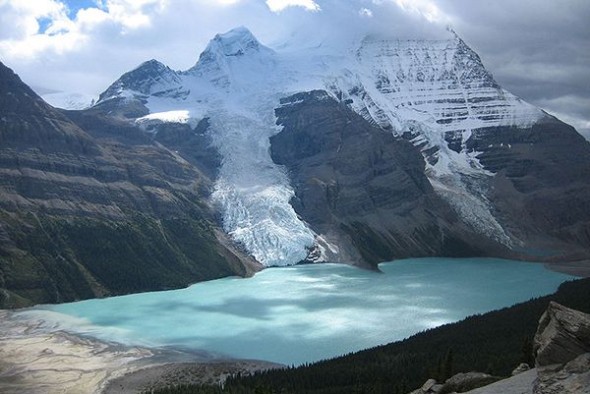
There is an abundance of snow activities available to the inhabitants of the Pacific Northwest, with glaciers and snowfields providing options for recreation in all seasons. The snowpack provides some vital insight into the health of the lands around us. In particular, it shows the viability of the forests, and the watersheds, which we rely on for water year-round for both agriculture and human consumption. Whether you are an avid skier, a white-water rafter, a fisher, or a general nature enthusiast, the ebbs and flows of each season’s snowpack determine what your weekend activities will look like all year round. The Pacific Northwest is known for its multitude of rivers, which have been developed into a massive hydroelectric system that is capable of providing reliable and clean baseload electricity to the grid and to utilities all along the west coast. As the CUB blog has previously discussed, and as the Bonneville Power Administration demonstrates on its website, this hydroelectric system functions as a battery controlling snow run-off by storing water for release throughout the summer and fall.
The snowpack each year determines the efficiency of the hydro system for the following year, and although rainfall contributes largely to the system, the dams throughout the Columbia River Basin are only capable of holding so much water at a given time. The snowpack falls in the mountains and melts slowly throughout the spring and often into the summer, when the rainfall diminishes to its lowest point in the year. This steady flow of runoff from the snowpack enables the dams to store water into the summer for the purposes of recreation, generation of hydropower, and to preserve the endangered species that inhabit the basin. The winter and summer months in the Pacific Northwest are times when demand on the grid is highest, as people run their air conditioners and electric heat. When the snowpack is strong, the hydroelectric system is capable of storing water well into the summer, enabling customers to benefit from the clean energy it produces as the snow melts.
The supply of clean energy in the months when utilities are facing peak demand provides great savings for customers. The hydroelectric supply from the Pacific Northwest facilitates generation of some of the cheapest energy available on the market. As running the hydroelectric system involves no fuel cost or ramp-up costs, it saves customers from using more expensive baseload resources. The utilities also benefit: when the snowpack is substantial enough, it enables utilities to generate additional revenue for customers by selling excess hydro into the Western Energy Imbalance Market. Essentially, a good snowpack year results in a good year for utility ratepayers.
The snowpack this year (though it is still early) is looking positive. A very strong early February helped to ensure that the snowpack is above average throughout much of the Columbia River Basin. The month of February brought two to three times the normal precipitation, which increased snowpack between 20 and 30 percent in the state of Oregon. While the snowpack in Oregon is vital to recreation around the state, the most important contribution to the hydroelectric supply comes from the headwaters of the Columbia River from the Canadian Rockies. Fortunately, the Columbia Mountains all currently register above 100 percent of their annual average snowpack levels, ranging from 104-135 percent before any additional snow that may come in March. The Columbia River drainage areas in Washington are showing current snow-water equivalents all at or above one hundred percent. The snowpack in Idaho is positive, but suggests a slightly below average year for the Snake River as of March 3. Again, these numbers are all subject to increase if March follows February’s example.
Overall, these figures suggest the hydro season will be at or above average for the summer. However, the impact of climate change is still noticeable - the winter snowpack has been declining in much of the West in recent years. Even in years with good precipitation, warming temperatures are turning the winter snow to rain, especially on the US side of the Columbia Basin. Studies by Oregon State University also suggest that the snowpack in Oregon will respond drastically to even the slightest warming, which will result in a significant change to Oregon’s snowpack by the end of the 21st century.
To keep up with CUB, like us on Facebook and follow us on Twitter!



03/05/20 | 1 Comment | 2020 Snowpack Update