
Victory: Utilities Move Towards Equitable Electric Transportation Planning
Posted on September 23, 2022 by Kate Ayres and Charlotte Shuff
Tags, General Interest, Energy
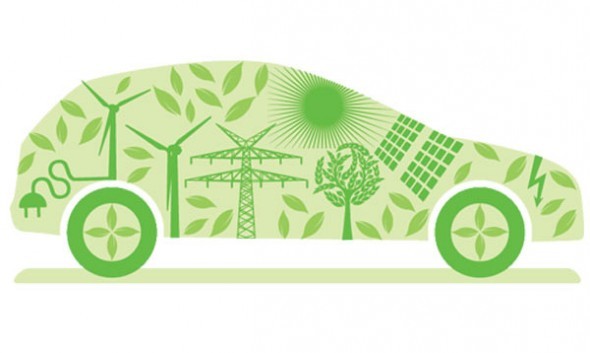
Oregon regulators recently passed new rules that will help expand clean, electric transportation in our state. CUB has been pushing for comprehensive changes over the past few years. Now, Oregon’s utilities will have better tools to support the transition to electric vehicles.
Big Wins for More Equitable, Clean Transportation
In 2021, CUB supported the Electric Transportation Bill (HB 2165). The law passed, winning a major victory for cleaning up Oregon’s roads. The law aims to:
- Dedicate funding for electric utility investments in transportation electrification programs and infrastructure, such as charging facilities, with an emphasis on low- and moderate-income customers
- Improve evaluation of electric utility transportation electrification investments at the Oregon Public Utility Commission (PUC)
- Expand and improve the equity of Oregon’s electric vehicle rebate programs.
Over the past year, CUB and our partners have been hard at work pushing for more equitable electric transportation planning. Advocates, regulators, and utilities worked together to come up with rules to make the goals of this new law a reality. CUB worked closely throughout this process with a coalition of advocates led by Northwest Energy Coalition (NWEC). This group included Lewis and Clark Green Energy Institute, Climate Solutions, Oregon Environmental Council, Verde, and CUB.
This summer, regulators at the Public Utility Commission approved rules to improve planning for expanding infrastructure and programs to provide service to electric vehicles. These new rules should spur investment in electric transportation while ensuring that historically underserved communities are not left behind.
Planning for More Electric Vehicles
With new rules in place, Oregon’s electric utilities are required to submit plans for supporting clean, electric transportation. The first plans will be submitted to regulators by May 2023. Each electric utility will file new plans every three years after that.
As we move towards electric transportation and away from gas-powered vehicles, our electricity systems will need to adapt. More electric cars and trucks mean we will need more charging stations in both public and private spaces. Utilities also must plan on meeting the increased need for electricity. This means planning to generate more electricity and upgrading their systems to handle larger loads.
With these new planning requirements, utilities will have to show that they are investing in charging stations, upgrading energy systems, and increasing their generation capacity.
Thanks to the coalition’s advocacy, customers will have protection from costs related to electric transportation investments. With these new rules, utilities will have to cap how much of their costs they pass along to customers over a certain period of time. These investments will come at a price for customers. CUB believes they are necessary costs for meeting a changing need of our energy grid.
By thinking holistically about the move towards electric vehicles, utilities can make smarter, safer investments. This is better for all utility customers, even those who do not own electric vehicles.
New Programs for Communities
With the new planning requirements, utilities must also provide comprehensive programs to support electric transportation in communities. These programs include increasing the number of charging stations for electric vehicles, cleaning up public transportation options, and more. Utilities must have a specific focus on serving low- and moderate-income communities.
By connecting and engaging with historically underserved communities, Oregon seeks to make more equitable programs from utilities. The goal is to meet the transportation needs of these communities while fighting climate change.
Examples of possible utility programs that support electric transportation include:
- Installing public charging stations for electric vehicles
- Incentives for homeowners to install vehicle charging stations
- Incentives for vehicle charging stations in multifamily housing
- Expanding electric buses for schools
- Expanding electric buses for public transportation
Greater Benefits for Communities
CUB is very supportive of the new rules for utilities to plan for increasing electric transportation. With comprehensive, holistic planning requirements, communities will have better programs for the clean energy transition.
These programs will increase access to electric transportation. Right now, too many communities have very limited options for getting around without gas-powered vehicles. These programs will increase access to electric public transportation, expand electric buses in schools, and more options for charging electric cars in homes and in public.
Moving towards electric cars, trucks, and buses means healthier communities, as well. These options produce less air pollution than their gas-powered alternatives. By investing in electric transportation, utilities are also helping clean up our lived environments.
These new regulations also provide more opportunities for involvement and input from communities. As the utilities’ plans are developed, community stakeholders will have the chance to weigh in. Traditionally underserved communities, in particular, will have a greater say in investments and program options.
Next Steps
Currently, Portland General Electric and Pacific Power are hosting workshops regarding their electric transportation investment plans. CUB will continue to work with coalition members on ensuring that these plans are accessible and prioritize community needs while keeping impacts on households’ electric bills in mind. To receive updates on this and other important utility issues, sign up for CUB’s email list!




08/14/23 | 0 Comments | Victory: Utilities Move Towards Equitable Electric Transportation Planning