
SB 1044 Passage Paves Way for Zero Emission Vehicles
Posted on July 11, 2019 by Samuel Pastrick
Tags, Energy
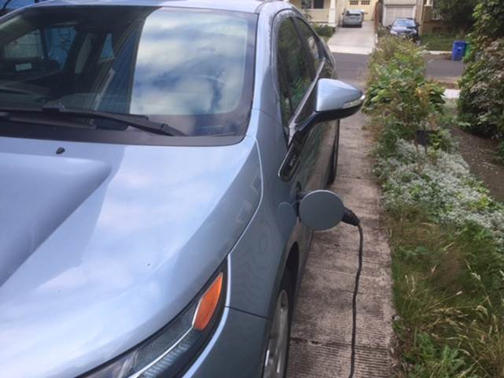
A vital decarbonization strategy – transportation electrification – took an important step forward in SB 1044, adopted last month by the Oregon Legislature. Introduced at the request of Portland General Electric, Oregon Environmental Council, and Climate Solutions, SB 1044 garnered at least some bipartisan support. SB 1044 is all the more important due to the Oregon Senate’s inaction on the Clean Energy Jobs bill, HB 2020.
SB 1044 charts a decisive and data-driven policy course for sweeping residential and commercial zero emission vehicle (ZEV) adoption by 2035. CUB was pleased to support SB 1044, in recognition of the importance of transportation sector electrification and the intersection of ZEV adoption with energy utility policy. The timeliness of SB 1044 is underscored by the increasingly large share (nearly 40 percent) of greenhouse gas emissions coming from Oregon’s transportation sector, primarily cars and trucks.
When compared to traditional internal combustion vehicles relying on gasoline, diesel, or biofuels, ZEVs have significant consumer benefits in the form of lower maintenance costs and unparalleled fuel economy. Fuel in the ZEV context primarily refers to electricity, but also encompasses hydrogen gas used in hydrogen fuel cell vehicles.
SB 1044’s major policy goals include:
- Transformation of the motor vehicle market must occur no later than 2035. This reflects the need for urgent action.
- Programs and support must be provided to accelerate Oregonians’ purchase and use of ZEVs until greenhouse gas emissions from vehicles are declining at a rate consistent with Oregon’s emissions reduction goals. These programs are to include additional support and innovative solutions to ensure that all Oregon households benefit from transportation electrification.
- The adoption and use of ZEVs must be regularly evaluated in terms of greenhouse gas emissions goals. This reflects the need for data to assess programs and inform additional policy proposals. The ZEV adoption metric is appropriately aggressive: at least 90 percent of all new vehicles sold, and 50 percent of all registered vehicles must be ZEVs by 2035.
- The bill also allows school districts that have completed all feasible weatherization using public purpose funding to reallocate those monies for ZEV infrastructure and bus fleet conversion.
- Oregon state agencies will “lead by example” with specific goals for state fleets to purchase or lease ZEVs.
While the 2019 Oregon legislative session was disappointing regarding Clean Energy Jobs legislation, SB 1044 is a silver lining and an important step forward on transportation electrification.
To keep up with CUB, like us on Facebook and follow us on Twitter!



09/05/22 | 0 Comments | SB 1044 Passage Paves Way for Zero Emission Vehicles