
Outpouring of Public Hearing Comments Shows Need for Stronger Regulation of Natural Gas
Posted on July 21, 2022 by Charlotte Shuff
Tags, Energy
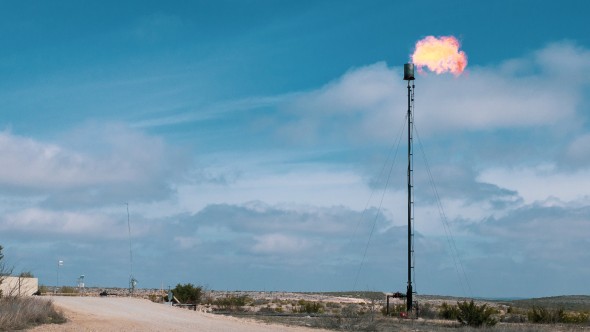
On July 12, the Public Utility Commission held a series of public hearings on the future of natural gas in Oregon. Over the course of the day, regulators heard from consumer advocates, environmental justice advocates, and representatives from the gas industry.
In 2021, after a request by CUB, the Oregon Public Utility Commission opened an investigation on the future of gas in Oregon. This fact-finding was meant to consider the risks associated with emissions and gas utilities. The investigation concluded with a draft report in April, but the report offers little clarity. It doesn’t answer the questions that are in dispute. Read more on the CUB Blog about this investigation and CUB’s response.
Climate and Consumer Advocates Pushed for Stronger Regulation
On July 12, 2022, advocates from across the energy sector spoke directly to Commissioners on the investigation into natural gas in Oregon.
Greer Ryan from Climate Solutions kicked off the afternoon, sharing joint comments from 30 organizations. She spoke about these groups’ disappointment with the draft report.
“After nearly a year of participating in the process, we were extremely concerned about the draft report. As a baseline, the Commission must do everything in its power to take into account the climate crisis, public health, and affordability concerns of Oregonians.”
These joint comments called for a stronger report and path toward slowing the growth of the gas system in Oregon.
“Regarding the report, we had four main recommendations. First, we urge that the final report reflect the robust public feedback provided throughout the proceeding, as well as provide actual recommendations to the Commission. [...] We also call for an immediate elimination of all subsidies for fossil fuels, including line extension allowances for gas hookups. [...] Finally, we argue that the report should not give credence to the utility industry argument that in order to protect communities, we need to expand the gas system.”
Bob Jenks, CUB’s Executive Director, also spoke at the afternoon’s hearing. CUB’s comments focused on our concern for customers in the face of climate change:
“Climate change requires a shift away from combustion of fossil fuels. This puts a great deal of risk on customers, on people like me who heat their homes by combustion of fossil fuels. The primary issue that CUB is concerned about is who is looking out for the best interests of customers. The for-profit gas utilities answer to shareholders who make money by expanding the gas system. They care about my service and want to maintain it and profit from it. But this is not the same as looking out for my interests.”
A major CUB concern is that the draft report from regulators deferred to gas industry talking points:
“I have been practicing before the Commission for many years. I have a great deal of respect for the PUC Staff. They are smart, capable people. They have tremendous analytical abilities. They are regulators who normally approach utility filings with a sense of skepticism and use their analytical skills to determine when utilities are acting in their self-interest and not the customer’s interest.
But in this proceeding, the Staff did not perform that role. They were muted. They transcribed the utility models without analysis. They made no attempt to find facts.”
Gas industry representatives also spoke, pushing the Commission to avoid any changes that would limit their ability to expand their system and profits.
Communities Pushed for Bold Action on Natural Gas
At a second hearing on the evening of July 12, regulators opened comments to the public on the future of natural gas in Oregon. Dozens of community members and community organizations spoke up. Only one person spoke in support of natural gas.
Diana Delgado, Community Member (comments delivered by Simone Crowe on behalf of Diana Delgado):
“One of those life-defining moments as an individual was when I realized that my children and I suffered for years with shortness of breath, headaches, and constant problems with our eyes because we couldn’t afford to pay the high heating bills that would have kept mold from infecting our home in the winter.
This year alone, NW Natural has proposed raising the bills for their residential customers approximately 12% to pay for expenses, including executive salaries and bonuses and false advertising that hides the risk to our health of breathing and burning their product in our homes. They have also sued to roll back protections against climate pollution.
The gas and oil industry is very powerful. We must make sure they are not more powerful than the people.”
Simone Crowe, Oregon Just Transition Alliance:
“I want to be very clear, and this is not an overdramatization, this is quite literally a matter of survival for communities in Oregon. Not just because it has a huge impact on our state’s carbon output, but because gas has an impact on our low-income, energy-burdened, and frontline communities. When we say frontline, we mean BIPOC, rural, low-income, and people with disabilities. This is because of the high cost, the pollution that disproportionately impacts communities of color and low-income communities, and because of the disproportionate impacts of methane in homes on communities of color, especially children.”
Ann Turner, Oregon Physicians for Social Responsibility:
“Besides contributing to climate warming, burning methane contributes to both indoor and outdoor air pollution, especially in vulnerable communities. […] Indoor air pollution is not just an issue for health professionals who are environmental activists. The conservative American Medical Association is poised to pass a resolution entitled “Cooking with a Gas Stove Increases Household Air Pollution and the Risk of Childhood Asthma.” And the American Public Health Association is working on a similar policy statement.”
Nikita Daryanani, Coalition for Communities of Color:
“By now, we all know that low-income communities, Black, Indigenous, and Communities of Color, folks living in rural and coastal communities, and tribal communities are on the front lines of a climate crisis that’s no longer on the horizon. It’s very much here. As we develop policies and programs that curb greenhouse gas emissions and help people adapt to the changing climate, it’s clear that the needs, priorities, lived experiences, and health impacts of those most affected by climate change and most at risk for losing their homes and livelihoods are front and center. [...] Allowing and subsidizing the gas system to expand and grow at a time when climate science is very clearly indicating that we need to do the opposite is nonsense.”
What’s Next for Gas in Oregon?
On Thursday, July 21, 2022, Commissioners will meet to discuss the comments they heard from advocates and the community. Over the next few weeks, regulators will work to revise the report to incorporate feedback. While CUB does not know what changes will be made, we hope that the Public Utility Commission takes bold steps to protect customers, not gas industry profits.
Sign up for our newsletter for the latest information on this and other important issues!

To keep up with CUB, like us on Facebook and follow us on Twitter!Outpouring of Public Hearing Comments Shows Need for Stronger Regulation of Natural Gas



07/21/22 | 0 Comments | Outpouring of Public Hearing Comments Shows Need for Stronger Regulation of Natural Gas