
Oregon PUC Drafts Final Rules for Nation’s First Renewable Natural Gas Program
Posted on July 30, 2020 by Mike Goetz
Tags, Energy
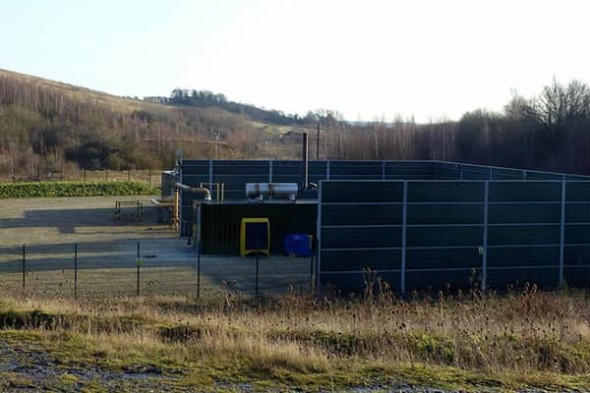
Last year, the Oregon Legislature passed Senate Bill 98 (SB 98), a first of its kind renewable natural gas (RNG) program to be implemented and overseen by the Oregon Public Utility Commission (PUC). In passing the legislation, the Oregon Legislature found that the development of renewable natural gas should be encouraged to support a smooth transition to a low carbon energy economy in Oregon. SB 98 requires the PUC to implement rules overseeing a program that sets permissive RNG procurement targets, which Oregon’s large and small natural gas utilities may meet. The targets step up gradually to a 30 percent RNG target by 2050.
Many readers may be curious what RNG actually is. For a resource that has been historically fossil fuel based and extracted through invasive processes, “renewable” natural gas may appear oxymoronic on its face. However, natural gas is already emitted through various processes that industrial society engages in: wastewater treatment, dairy processing, landfills, etc. The methane produced from sources like these is traditionally released into the environment. Instead, this methane can be harnessed, added into the existing natural gas system to replace fossil gas.
While the PUC was obligated to draft rules, the RNG program differs substantially from its electric counterpart—the SB 1547 Renewable Portfolio Standard (RPS)—because the targets are permissive rather than mandatory. SB 98 also treats large natural gas companies (i.e. NW Natural) differently than small natural gas companies (Cascade Natural Gas and Avista). The rules provide the former a framework for getting RNG onto their system, while the latter must apply to participate in the program, and are subject to a strict rate cap to ensure that customers are not hit with overly high rates due to RNG procurement.
CUB participated in the process to bring RNG onto Oregon’s natural gas system from back when it was a mere twinkle in the eye of the Oregon Legislature through the final order adopting the PUC’s rules, which went into effect on July 16, 2020. CUB’s goal was to help design a program that furthered the intent of the Oregon Legislature, meaningfully lowered the carbon intensity of the natural gas system, and did not merely enable Oregon’s natural gas utilities to invest capital to create profits for their shareholders.
The process to finalize the rules at the PUC was very well run and integrated feedback from a wide variety of stakeholders. CUB believes the end result strikes a balance of furthering the goals and interests of an important program while minimizing the impact to customers through key ratepayer protection conditions.
One such condition that CUB advocated for was that the rules not include an automatic adjustment clause (AAC) for the recovery of capital investments related to RNG procurement for large natural gas utilities. An AAC is a mechanism through which utilities can recover costs in between general rates cases and is generally subject to an expedited timeline for review. This proved to be a contentious issue. CUB was concerned that the expedited review in an AAC would not provide adequate time for stakeholders to review RNG capital costs. In the end, the PUC struck a sound balance in the rules and provided that an AAC may be established, but it is not necessary at this time due to the wide variety of regulatory mechanisms for cost recovery that the PUC has at its disposal.
Apart from this issue, CUB believes the rules as a whole advance disparate stakeholder interests. We look forward to working with NW Natural, the PUC, and various other utilities and stakeholders in rolling out the program stemming from this landmark legislation. Lowering the carbon intensity of the natural gas system aligns with Oregon’s climate goals and is good for ratepayers.
However, there are still big questions concerning the role of RNG that will need to be answered over the next few years. How much is actually available? What is its cost? What are the costs and benefits to the environment and customers of procuring RNG versus switching to efficient electric heat pumps? CUB looks forward to working with partners and stakeholders along with the PUC to answer these questions in the coming years.
To keep up with CUB, like us on Facbook and follow us on Twitter!



07/30/20 | 0 Comments | Oregon PUC Drafts Final Rules for Nation’s First Renewable Natural Gas Program