
Oregon Investor-Owned Electric Utilities to Design Their First Distribution System Plan
Posted on January 12, 2021 by Sudeshna Pal
Tags, Energy
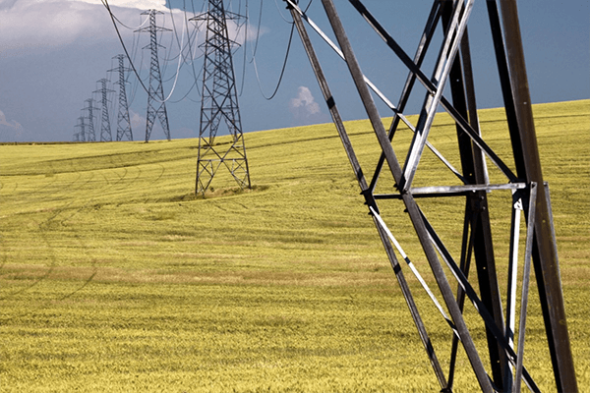
Investor-owned electric utilities in Oregon will now be required to provide a long-term plan specifically for the distribution system to the Public Utility Commission (PUC). The distribution system is the part of the electric system that takes power from high voltage power lines and delivers it to local end-users, including households and businesses.
The distribution system plan (DSP) is part of building a future smart electric grid. While a customer will still receive power from the grid, the customer might also sell power from rooftop solar back to the utility, or time the charging of their electric vehicle when it will most benefit the grid. Or they may allow the utility to adjust when their hot water heater runs, so it can help store renewable power. It is an interactive grid, where a customer both buys energy from the utility and sells energy and related services like storage back to the utility.
Oregon utilities have historically planned for capital investments to maintain safe, reliable, and affordable distribution systems. These distribution system investments typically emerge as capital improvement plans in general rate case proceedings. However, as we move toward a clean and sustainable energy future, there is a greater need to have a long-term plan for a modern grid.
The PUC Staff developed the guidelines for a robust DSP, but they did not do it alone. The process involved months of collaborative work between stakeholders including CUB, utilities, and regulators. On December 23, 2020, the PUC released the Order approving these planning guidelines. The guidelines direct the utilities to undertake the planning in several stages while involving stakeholders and communities in the process.
Oregon joins a modest list of states including New York, California, Hawaii, Massachusetts, and Minnesota, that are also engaged in distribution system planning. Oregon’s DSP stands out because it requires a Community Engagement Plan. The plan will present the utilities’ strategies to engage community members and community-based organizations in the development of program pilots that would impact these communities. CUB is hopeful that this collaborative approach will result in a more informed plan and amply benefit customers. The first Oregon DSP will be filed in two parts, in October 2021 and August 2022, respectively. This allows utilities more time to develop new analytical tools and engage stakeholders and communities in the process in the first part, and then obtain input data for the DSP from their Integrated Resource Plans for the second part. Subsequent plans will be filed every two years, in their entirety rather than split into two sections.
CUB has participated in the development of the DSP guidelines and advocated for meaningful public data sharing, community engagement, and customer value-focused distribution system planning. CUB will continue to participate in the process and ensure that utilities plan for cost-effective and low-risk distribution system investments that benefit residential electric utility customers.

To keep up with CUB, like us on Facebook and follow us on Twitter!



01/12/21 | 0 Comments | Oregon Investor-Owned Electric Utilities to Design Their First Distribution System Plan