
NW Natural Seeks Risky Investment in Coos County
Posted on February 18, 2026 by Charlotte Shuff
Tags, Energy
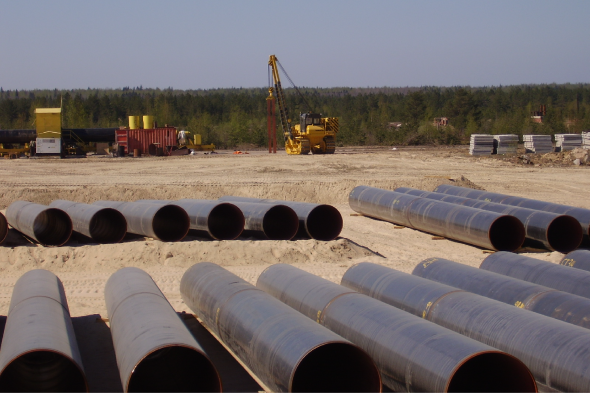
This year, NW Natural is asking Oregon regulators to approve adding $15.5 million per year to customer bills starting October 31. This 1.4% increase would add about $1.40 a month for an average residential customer, with more in winter months as gas usage is higher.
CUB has serious concerns with some of the investments NW Natural is asking customers to pay for, including taking on an expensive pipeline from Coos County.
While this ask alone is fairly small, we must also consider the near-constant rate increases NW Natural has imposed on customers over the past five years. Regulators approved a 5.5% increase just a few months ago in October 2025. Between 2021 and 2025, NW Natural raised rates by nearly 50% for household customers.
Want to learn even more about this issue? Visit the docket on the Oregon Public Utility Commission Website!
What is NW Natural Asking For?
NW Natural is asking Oregon regulators to approve a 1.4% increase to customer bills starting October 31.
The $15.5 million ask includes:
- Replacing infrastructure (meters, storage facility equipment)
- Building a new resource center in the Dalles
- Updating IT
- Acquiring and fixing the Coos County pipeline
CUB is looking into the infrastructure, resource center, and IT investments to make sure they are necessary costs for customers. Our biggest concern is with the high costs of the Coos County pipeline and its local gas system.
Coos County Problem
This February, regulators signaled NW Natural could move forward with the purchase of a pipeline in Coos County. The county plans to sell NW Natural the pipeline for $1 after nearly two decades of issues. While this is a low upfront cost for the company, CUB is not so sure it’s a good deal for customers. Despite the low cost for a big pipe, the longstanding issues are racking up a major bill that NW Natural is trying to pass off to customers across Oregon.
The Coos County Pipeline
After nearly 20 years of issues, the controversial Coos County Pipeline is back. Since it was built in the early 2000s, the pipeline has faced increasing need for repair as 13 landslide sites threaten safety. The county can no longer afford to pay for repairs and is asking NW Natural to take over. As of this case, NW Natural is asking for approval for $12 million spread over decades for the three most urgent repair sites. At an estimated $4 million per site, landslide repair alone could skyrocket to $52 million or more as all projects are added.
While the cost of repairing the pipeline continues to grow, retiring the pipe could have very real consequences for both industry and residents in Coos County. Without repairs, the region would no longer have access to natural gas.
The Coos County Local Gas System
In addition to the pipeline carrying gas to Coos County, NW Natural built the local gas system (also called the distribution system) to bring the gas to homes and businesses. NW Natural invested about $12 million. Coos County residents agreed to pick up $1.6 million of those costs through a small fee on their gas bills to pay for these costs. This agreement was set to last 20 years with a fee adjustment for remaining amounts, if needed.
Now, NW Natural is proposing to tear up that agreement and instead have all Oregon household customers, not just those in Coos County, pay for the bulk of the remaining costs of the Coos County distribution system. Last year, residential customers of Coos County were 15% of the local gas load, but under NW Natural’s proposal, residential customers would pay more than 66% of the cost of the distribution system.
History: Gas Comes to Coos County
1990s
In the 1990s, Coos County came up with a plan to generate jobs: bring in natural gas to attract new industry. And this idea made sense! While our homes have many options for heating and cooking, many industries rely on burning fuels for their products and processes. The problem was that there was no pipeline to bring gas into Coos County.
2000s
After nearly a decade of work, Coos County gathered enough funding from the state, bonds, and other public sources to get serious about building a pipeline to bring methane into the community. The county owned the pipeline, while NW Natural was to provide the fuel, customer service, and an additional $12 million to build out the local gas system in Coos County. But NW Natural wanted all of its customers in Oregon to pay for these local costs.
After a lot of negotiations with the County, NW Natural, utility regulators, and CUB, an agreement was reached to protect other gas customers and build the pipeline and the local gas system in Coos County. NW Natural would add a $0.02 per therm (unit of gas) for Coos County customers for 20 years for the project.
2010s
Despite best efforts, the Coos County pipeline did not attract as many industrial or new household customers as the county and NW Natural had hoped. The small charge for Coos County customers wasn’t keeping up with the cost of the project. Nearly $1.6 million remains unpaid to NW Natural.
2020s
In the present day, the Coos County pipeline continues to face challenges, this time from the land. Landslides have increasingly damaged or threatened the pipeline, requiring expensive repairs. There are currently 13 identified landslide sites. The three most urgent have an average of $4 million of repairs needed. Coos County can no longer afford to keep this pipeline that once promised economic development.
Now, Coos County is attempting to unload this 77-mile pipe and the pipeline’s problems onto NW Natural for just $1. The gas utility will take on all of the costs of repairs and remediation to keep the pipeline safe to use. But the question remains the same after all of these decades: who will pay for the Coos County pipeline and the local gas system?
CUB Advocates for Reducing Costs for Coos County Households
What NW Natural is proposing puts the majority of the costs of the Coos County issues onto household customers. CUB is advocating for lowering overall costs by shrinking the local gas system, shifting more responsibility onto business customers, and holding NW Natural accountable for more of the expenses.
Reducing Costs, Reducing the Local Gas System
While CUB recognizes the challenges with moving some industry away from gas, our homes have more — and often cheaper — electric alternatives. To limit the added expense of maintaining some high-cost sections of the local gas system in Coos County, moving targeted streets and neighborhoods to all-electric could save everyone money.
In 2025, Oregon’s second-largest gas utility, Avista, agreed to pilot an electrification program because of similar cost issues in Southern and Eastern Oregon. The largest investment Avista is making in its system is a system-wide pipe replacement project due to safety issues. CUB proposed using solutions that would not require a pipe at all. Since this replacement is extremely expensive, our analysis showed switching customers to all-electric as a more cost-effective option.
Avista will pilot a program to offer incentives to switch homes to all-electric appliances. In this voluntary program, pipe replacements will be avoided by giving customers an option to leave the gas system. Avista will also ensure that low-income customers are included in this pilot, which may help many receive necessary home upgrades and benefits. This program will help avoid driving up bills for remaining customers, reduce the cost of highly energy-efficient appliances for those who leave, and help Avista meet its emission reduction requirements—a win-win-win!
CUB is advocating for a similar electrification program for Coos County to lower overall costs while maintaining the safety of the local gas system.
Industrial Customers Should Pick Up the Tab
While trimming the gas system for many households could save a lot of money, the main issue is the big pipeline. Without needed repairs, the pipeline would shut down, and many industrial customers in Coos County would not be able to operate. Many of these businesses rely on burning gas for the products they make and have few electric alternatives. Since these are the customers who rely most on continuing gas service, they should be the ones to cover most of the costs.
In NW Natural’s current proposal, household customers are on the hook for the majority of the pipeline costs. CUB is proposing that regulators move these costs to the ones who benefit most: commercial and industrial customers.
NW Natural Needs to be Financially Accountable Beyond Just the $1 Sale
Because of all of the repairs needed, NW Natural getting the Coos County pipeline for just $1 is not enough financial commitment from the company. For just $1, the utility is getting 77 miles of pipeline with tens of thousands of dollars in infrastructure. With all of these savings, NW Natural can afford to be on the hook for more of the costs coming down the pipeline.
NW Natural has been involved in this project since the beginning. And from the beginning, all of NW Natural’s predictions have been wrong. Fewer customers, less money collected, and higher costs. But one thing has been consistent: NW Natural keeps proposing that its residential and small commercial customers across the state should subsidize it.
And CUB has been sounding the alarm since the beginning:

Each time, NW Natural’s forecast of Coos County demand has been wrong, and someone has paid the price. Coos County residents have paid for the bonds to build the pipeline. Coos County has paid high costs of repairs. Statewide customers have paid when the county residents couldn’t pay back NW Natural. While 20-years ago NW Natural paid $400,000 of the initial cost of the distribution system, customers have paid the cost of its poor forecasts.
CUB is advocating for cost-sharing between customers and NW Natural shareholders. Customers cannot be the only ones paying the price for questionable business decisions.
Customers Deserve a Better Process
Back in the early 2000s, the decision of who would pay for the Coos County pipeline was a big one. There were years of negotiations between the county, NW Natural, regulators, and CUB about who would pay. But more than 20 years later, NW Natural wants to rush this process and stick households across the state with the cost for decades to come.
CUB is demanding that the PUC reject NW Natural’s proposal to stick the cost of its system primarily on household customers whose bills have already dramatically increased.
Stay Up to Date on Oregon Utility Issues
CUB will continue to advocate for people in Oregon on major utility issues. Sign up for the CUB email list for the latest updates, action alerts, and news on policies that affect the utilities your home relies on.
To keep up with CUB, follow us on Instagram, Facebook, Bluesky, and LinkedIn!



03/13/26 | 0 Comments | NW Natural Seeks Risky Investment in Coos County