
Long-Term Utility Resource Planning: A Guide
Posted on July 1, 2022 by Kate Ayres and Charlotte Shuff
Tags, Energy
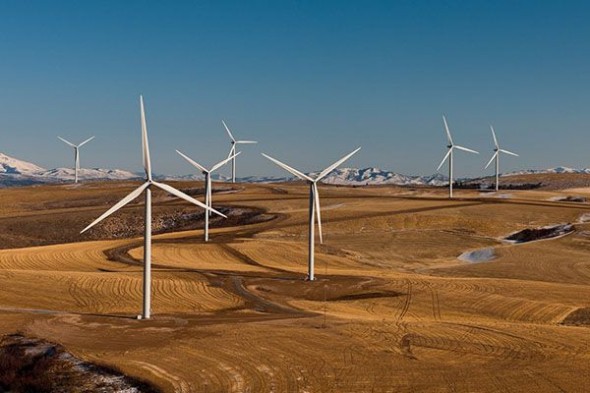
As Oregon moves toward a clean, renewable energy future, an important road marker is a utility’s ability to plan for future resources. Utilities need plans for the variety and quantities of energy resources they will use that meet the energy needs of utility customers and state emissions goals.
The main tool utilities use to do this planning at the state level is the Integrated Resource Plan (IRP). Understanding this process is becoming increasingly important as the Public Utility Commission (PUC) begins the process of adding a Clean Energy Plan component following 2021 legislation. This blog is a good starting point for organizations or individuals interested in getting involved with
Clean Energy Plan processes.
What are Integrated Resource Plans (IRPs)?
All utilities are required to file Integrated Resource Plans to meet the future energy use and peak use needs (capacity needs) of their customers. These plans consider how much energy must be generated and from where. They also consider ways to reduce demand. All IRPs must minimize both cost and risk for customers.
Utilities file these 20-year plans every two years. IRPs include projections of future energy needs, analysis of the best available resources to meet those needs, and the activities required to secure those resources. Creating these plans requires vast amounts of economic modeling and analysis.
The Integrated Resource Planning Process
Utilities Do Analysis and Draft a Resource Portfolio
Utilities file plans every two years unless asking for an extension. Extensions require the company to at least file an update to the previous Integrated Resource Plan. In either case, utilities must start by analyzing resource options and creating a portfolio of resources.
First, the utility begins extensive analysis. This includes:
- Optimization process (minimizing costs with constraints)
- Risk analysis that tests different potential scenarios
- Forecasting resource needs (overall usage and peak usage projections)
After this analysis the utility builds a portfolio of energy resources to look at which option will meet the need with the lowest cost and risk.
For electric utilities, portfolios contain a mix of generation resources like hydro, natural gas, wind, and solar, as well as customer owned resources like demand response and energy efficiency. Their IRPs include information on where they are sourcing each of these resources and in what quantities. With Oregon’s new climate regulation, electric utilities must use 100 percent clean energy by 2040.
Natural gas utility portfolios primarily include methane gas and energy efficiency. To comply with the Climate Protection Plan, gas utilities are also exploring hydrogen gas and bio-methane (“renewable natural gas”) in their resource planning. Currently, only a small percentage of these utilities’ IRPs may include methane from other sources, like from factory farms or wastewater treatment plants.
Stakeholders Weigh In: Informal Utility Input Meetings
The IRP input process has two steps: the informal utility-led public input meeting process and the formal process led by the Oregon Public Utility Commission (PUC). Stakeholders range from community groups to consumer advocates (like CUB) to other utility companies.
The utility-led public input meetings happen during the analysis phase. These meetings are a chance for the utility to hear stakeholders’ input before finalizing the IRP draft. Information on these meetings and the process can be found on the utility’s website. Each utility has a designated email where stakeholders sign up for information. Here, utilities share meeting times, slides from the meetings, and informal comments to the utility throughout this phase.
After this informal engagement phase, utilities create a draft resource plan that is typically sent via email to stakeholders. There is a comment period for parties to submit comments or ask questions about the draft before the utility writes up the final IRP. When the utility has finalized its plan, it files the IRP with the PUC. The PUC then opens a docket which begins the formal process.
Stakeholders Weigh In: Formal Process at the Public Utility Commission (PUC)
Once a docket is open, stakeholders can file a petition at the Public Utility Commission to intervene. Intervening allows an organization access to records, data, and hearings. There are three important components to participate fully in the formal PUC process:
- Request access to Huddle to receive the information requests
- File for intervenor funding if applicable
- Sign a protective order to view confidential filings
The formal process at the PUC lasts about six months. This process includes hearings, workshops, and more analysis.
1. Prehearing Conference: Once the Integrated Resource Plan is filed, the PUC Staff host a pre-hearing conference. They meet with the utility and stakeholders to review the process schedule for the next six months. This includes when comments are due, when special public hearings will occur, and any other important dates. After this discussion, the schedule is posted to the docket connected to the utility IRP.
2. PUC Staff Analysis: PUC Staff and intervenors provide written opening comments analyzing what the utility has presented in its IRP. These opening comments are read by the utility, which then files reply comments to Staff and intervenors addressing concerns raised by them in the opening comments. These comments act as the stakeholders’ formal way to reach out to the Commissioners with concerns about the IRP.
3. Workshops or Special Public Meetings: Following opening comments, the workshop and public meeting phase begins. The three Commissioners join meetings and listen to the utility’s oral presentation of the IRP. This is also an opportunity to hear comments from the utility, PUC Staff, and stakeholders about the presented IRP. These meetings are for informational purposes only.
4. Final Comments: Following the utility’s reply comments and the Commission-led workshops, Staff and Intervenors have the opportunity to file final comments.
5. Deciding on the Integrated Resource Plan: After the final comments, Commissioners hold a Commission Hearing or Acknowledgement meeting where they either acknowledge or do not acknowledge the IRP. This acknowledgement states findings on whether the utility’s proposed short-term actions, which are separated into 2-, 4-, and 6-year components, are reasonable, and if the utility’s chosen portfolio is least-cost and least-risk.
6. PUC Staff Report is released: Following the Commission’s final workshop or meeting, Staff release a final report. Intervenors and the utility can submit comments on this report.
7. Process ends: The IRP process formally ends with the Commission Order or with the directives given to the utility alongside the acknowledgement decision.
The Staff report, Commission Order, and all comments are publicly available on the PUC’s eDocket website under the specific docket number.
Adopting the Plan: Acknowledgment by the Public Utility Commission
If the Commission acknowledges the portfolio, it views it as reasonable, but this is not binding. Utilities use these plans as a framework, but since projections are never perfect, they do not always stick to them exactly. Acknowledgment does make it easier for utilities to charge customers for the associated costs down the road, though.
If the Commission does not acknowledge the portfolio, it shows that there is further analysis needed. The utility is still able to move forward with the portfolio if it is not acknowledged. However, the utility will be at a slight disadvantage if it wants to put these costs in customers’ rates. In this case, the utility must prove to the Commission in future rate cases that the plan it used was reasonable.
Changes to Come
The IRP process will be undergoing changes with the implementation of the Clean Energy Targets bill (HB 2021) that passed in 2021. The largest change is the inclusion of the Clean Energy Plans, which utilities must present at the same time or within 180 days of the IRP filing.
The Clean Energy Plans will focus on bringing new voices and perspectives into these processes. The utilities will need to consider new areas of analysis, such as emissions reductions and the social cost of carbon.
How to Get Involved
Individuals or organizations interested in the Integrated Resource Planning process can start by signing up for updates on the utility websites. This will get them on the email list that will send out information on meeting times and presentation slide information.
When the IRP is filed at the Oregon Public Utility Commission, interested parties will need to file an intervention in the PUC docket.
CUB continues to advocate in these processes to ensure that utilities are focused on the least-cost, least-risk options for customers. As these processes include more analysis with the inclusion of the Clean Energy plans, CUB will keep asking the tough questions and advocating for customer interests that aid in Oregon’s clean energy transition.

To keep up with CUB, like us on Facebook and follow us on Twitter!



08/03/22 | 0 Comments | Long-Term Utility Resource Planning: A Guide