
Hydrogen Fuel and the Clean Energy Transition
Posted on March 19, 2021 by Sudeshna Pal
Tags, Energy
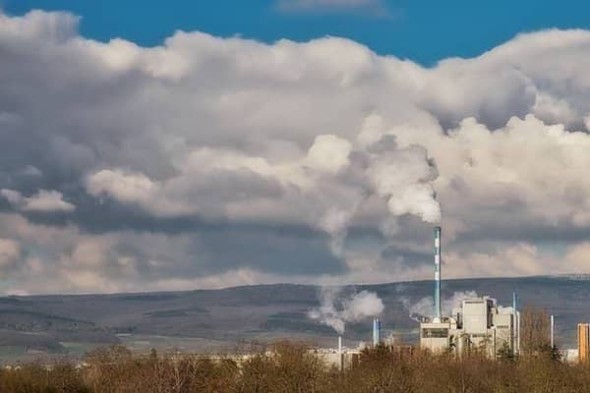
Fuel cells that mix hydrogen and oxygen to produce water and electricity date back to the 1800s, but their high cost has been a barrier to using this clean energy source. But hydrogen fuel, particularly when produced using renewable energy, is gaining attention at state, national and international levels from both businesses and policymakers. But where does hydrogen come from, what is renewable hydrogen, how is hydrogen fuel used, and what is its role in clean energy systems?
Hydrogen occurs naturally in the atmosphere, but not in a sufficient quantity to be used on a large scale. Industrial scale hydrogen is primarily generated by a method known as Steam Methane Reforming (SMR), whereby methane or natural gas is made to react with steam to release hydrogen and carbon monoxide. The carbon monoxide is further processed to generate more hydrogen. Although the resulting hydrogen is a clean energy source, this method of producing hydrogen generates carbon emissions.
Alternatively, hydrogen can be produced by electrolysis whereby water is split into its component parts, hydrogen and oxygen, using electricity in an electrolyzer. When the electricity used is generated with a renewable resource, the resulting hydrogen is called green or renewable hydrogen.
It is green hydrogen that has generated the recent interest among climate policymakers. At the national level, renewable hydrogen is listed in Biden’s Climate Plan as a means to clean up the power sector. In Oregon, the Renewable Hydrogen Energy Alliance has requested legislation to study the potential for renewable hydrogen facilities in our state. Meanwhile, in Central Washington state, the Douglas County Public Utility District has invested about $20 million to build a renewable hydrogen facility. The facility will generate renewable hydrogen using water and electricity from the utility’s surplus hydropower using a 5MW electrolyzer.
Hydrogen can be used to power internal combustion engines as well as fuel cell electric vehicles. It can also serve as long-term (weekly or even monthly) storage for renewable energy in lieu of batteries. It can be used in fuel cell systems to electrify buildings or provide back-up power and to support customer owned generation resources. And, when blended with natural gas in the right amount, it can be transported via pipelines as a means of storing and delivering renewable energy to markets.
When hydrogen is used up in fuel cells or engines, it does not emit any carbon; water vapor is its only byproduct. In this sense, hydrogen is a clean fuel. However, as discussed above, the carbon footprint of hydrogen depends on its source and production method. Currently, hydrogen is generated primarily from fossil fuels like natural gas and coal. Using renewable hydrogen using electricity from renewable resources can contribute to a clean energy system, but high costs are an implementation barrier.
For all its possible uses and advantages, hydrogen also brings its own set of challenges. High production costs are particularly challenging for large scale generation of renewable hydrogen. Other concerns are greenhouse effects of hydrogen leakages, and the durability of some metal pipelines due to the corrosive nature of hydrogen gas.
Renewable hydrogen fuel has the potential to help us move toward clean energy systems, but more work is needed. Oregon’s energy mix will continue to evolve with the demands and pressures of economics, regulatory compliance, and other factors. But no matter what role hydrogen comes to play in Oregon’s energy future, CUB will be working to ensure customers’ utility services remain affordable, accessible, reliable, and clean.

To keep up with CUB, like us on Facebook and follow us on Twitter!



03/19/21 | 0 Comments | Hydrogen Fuel and the Clean Energy Transition