
How to Avoid Scam Calls
Posted on October 28, 2021 by Charlotte Shuff
Tags, Telecommunications, General Interest
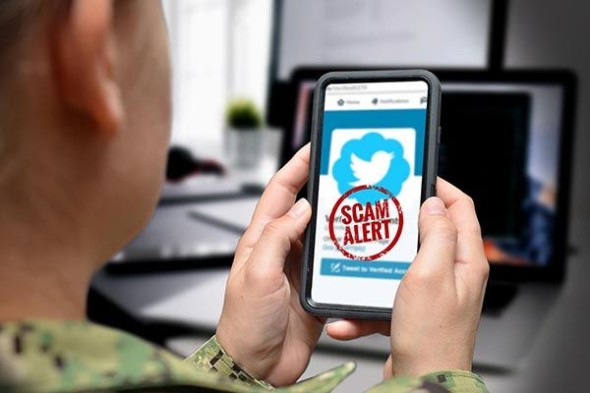
Each day, people across Oregon receive spam calls. In fact, while writing this blog, I received multiple spam calls. But what can you do about them? In this blog, we will discuss information on types of unwanted calls, how to identify spam calls, and tools to help reduce the number of unwanted calls you receive.
Types of Unwanted Calls
Unwanted calls can fall into a few categories: telemarketing, robocalls, and scam calls. While these are not an exhaustive list, there are a few differences between them.
Telemarketers are real people who call you to solicit something. This could be things like insurance, political donations, or buying/selling a product. Often these callers are legal businesses, but not always. Legal telemarketers are required to respect the National Do Not Call Registry.
Robocalls are machine generated calls, not real people. Pre-recorded voices call, saying things like “We’ve been trying to reach you about your car’s extended warranty.” Not all robocalls are illegal, though many are. Legal robocallers require your consent before contacting you using this type of pre-recorded message (think of an appointment confirmation call from a doctor.)
Scam calls can be either a real person or a robocall but are specifically meant to deceive the person being called. Scam calls have many tactics, but a common theme is asking you for personal information. Some callers pretend to be a government official (the IRS, utility companies, and the police are common examples.)
Identifying Scammers
In the event that you receive a scam call, there are ways to keep your information safe. If you do not recognize a number, do not give out your personal information or payment details.
For callers claiming to represent a company or government agency, hang up and call their office directly. Be advised that many government agencies, such as the IRS, will only contact you in writing so be cautious of calls from these agencies. Government offices will not contact you to confirm sensitive information.
Some types of scam calls include:
- Winning a prize that requires a payment
- Threatening arrest or legal action and asking for personal information or payment
- Anyone who asks for payment with a gift card
- Sales calls that pressure you into immediate action
Be on the lookout for calls that specifically include:
- Extended car warranty
- Debt relief or credit relief
- Loans or investments
- Travel or timeshares
- Selling or buying property
- Lotteries or prizes
It is important to note that scammers increasingly use text messaging as well, often in the form of a link that the text tells you to click on to redeem a coupon or prize. Do not click on links that you don’t recognize or aren’t expecting to receive.
For more information on common phone scams, visit the FTC website.
How to Avoid Unwanted Calls
While there are few foolproof ways to avoid unwanted calls, there are some techniques you can use to reduce the number of calls you are receiving or interacting with.
Register for the National Do Not Call Registry at donotcall.gov or by calling 1-888-382-1222. For legitimate businesses, these calls can be avoided by registering your phone number on the National Do Not Call Registry.
Check your caller ID before answering. Don’t answer calls from unknown callers. Be aware that some scam calls will imitate the numbers of other agencies for appearances. If a phone number on your caller ID says that it is a government agency, it may not actually be that agency. If you believe that this agency has a reason to contact you, call the publicly listed number on their website instead.
Block or filter calls on your cell phone. For cell phones, both Apple and Android allow you to filter or block numbers you do not want to hear from. You can also use Do Not Disturb settings to send all but approved numbers to voicemail. Learn more about blocking and filtering calls on your mobile phone here.
Use a third party to block robocalls. Many phone companies have tools for preventing robocalls from reaching you. There are also apps and services you can use to screen incoming calls for robocalls. Depending on the service you use, some may block robocalls entirely, while others may send them straight to voicemail. You can find more information about these services here.
To keep up with CUB, like us on Facebook and follow us on Twitter!



10/28/21 | 0 Comments | How to Avoid Scam Calls