
How Clean is Renewable Natural Gas?
Posted on July 6, 2022 by Sudeshna Pal
Tags, Energy
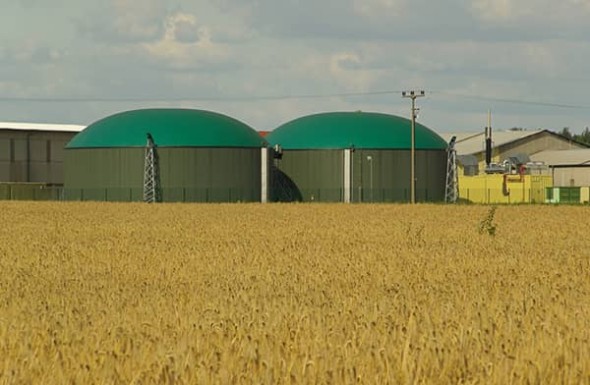
Oregon natural gas utilities have begun to obtain renewable natural gas in order to meet state climate policies. While this form of gas has a lower carbon intensity than traditional natural gas, its carbon benefits can be difficult to quantify. It also costs significantly more than traditional natural gas and is limited in availability.
CUB has been digging into natural gas. We’re working to determine whether renewable natural gas is a viable path forward to help Oregon reduce climate emissions.
What is Renewable Natural Gas?
Natural gas, which is primarily methane gas, is traditionally extracted by drilling down through layers of sand, silt, and rock to reach the rock formations that contain oil and natural gas deposits. Methane is a greenhouse gas that directly contributes to global warming by leaking into the atmosphere. It is also a fossil fuel that emits carbon dioxide when burned.
Recent state policies are prompting natural gas utilities to look for alternatives to conventional or fossil methane. Renewable natural gas is methane derived from non-fossil sources such as landfills, wastewater treatment plants, municipal solid waste, and dairy cow manure.
The tools and methods used to generate pipeline quality methane from these sources can be quite expensive. This means that the availability of renewable natural gas today is limited. For more information, check out CUB’s recent blog post: What is Renewable Natural Gas?
Renewable Natural Gas and Emissions
Renewable natural gas, when burned, emits less carbon compared to conventional methane. But the level of carbon emissions depends on the source from which the gas is generated.
To compare the carbon emitting potential of natural gas (fossil or non-fossil) derived from various sources, we can look at “carbon intensity” or carbon footprint numbers. A higher carbon intensity denotes higher carbon emissions per unit of energy generated by burning the fuel.
The graph below shows a comparison of carbon intensities. While fossil (traditional) natural gas has a higher carbon footprint, renewable natural gas’s carbon intensity varies widely by source. Methane captured from landfills and wastewater treatment plants still emit carbon.

CNG = Compressed natural gas
Source: Cascade Natural Gas Company 2020 Integrated Resource Plan, Figure 7-2
In an ideal world, we would primarily extract methane from municipal or dairy wastes as these have a negative carbon footprint. Unfortunately, the cleanest options are also the most expensive and scarce ones. These high costs prevent natural gas companies from exploring cleaner methane sources.
Moreover, current regulations in Oregon (for example, SB 98) do not distinguish between sources from which renewable natural gas is procured. CUB believes state regulators must consider carbon intensities across methane sources. Regulators should direct or incentivize gas utilities to use resources with low carbon intensity to clean up their systems.
It is also worth noting that methane itself is a contributor to climate change. While renewable natural gas can have a negative carbon intensity, it is still a greenhouse gas. According to the EPA, “in 2020, methane accounted for about 11 percent of all U.S. greenhouse gas emissions from human activities.” Pound for pound, methane has a 25 times greater impact than carbon dioxide over a 100-year period.
From CUB’s perspective, we would like to see the greatest carbon emission reductions occur at the lowest possible cost to customers. As we continue to cut emissions from Oregon’s energy system, CUB will continue to fight for Oregonians’ values, wallets, and the environment.

To keep up with CUB, like us on Facebook and follow us on Twitter!



07/06/22 | 0 Comments | How Clean is Renewable Natural Gas?