
Home Energy Scores Help Buyers and Homeowners Understand Energy Efficiency
Posted on March 16, 2021 by Charlotte Shuff
Tags, Energy, General Interest
When buying a home, it can be difficult to know how energy efficient the home will be. Home Energy Scores can help you understand what level of energy performance to expect from a new home. For those selling homes in the City of Portland and the City of Milwaukie, Home Energy Scores are required to help buyers understand important energy information before buying a home.
What is a Home Energy Score?
The Home Energy Score is a measure of the energy efficiency of a home, rated on a scale from one to ten. A score of one means the home is not very efficient and ten means the home is very efficient. This score is based on an evaluation of the building structure, heating and cooling systems, and hot water systems done by an authorized professional.
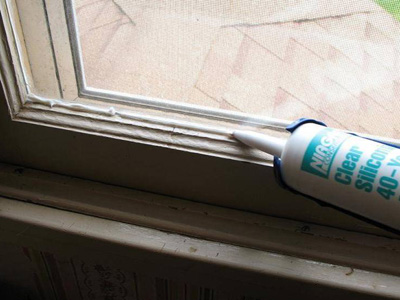
Assessors look at what is called the “building envelope” of a home, which includes windows, doors, walls, insulation, and more. Much of the energy used to heat or cool a building is wasted when the building envelope is not very well air sealed. Better sealed homes and more efficient heating and cooling systems use less energy.
Although the Home Energy Score cannot tell you how much energy a home will actually use, it does help estimate energy costs before buying. The final report also provides suggested improvements for making a home more energy efficient.
Do I need to do a Home Energy Score?
Home Energy Scores are required before listing a home for sale in the City of Portland and the City of Milwaukie. Those who do not receive a Home Energy Score before listing their home may face fines. For both cities, homes within the respective city limits that meet the following criteria must receive a score:
Required for:
- Publicly advertised homes for sale
- Single family detached homes (ex: stand-alone house)
- Side-by-side configuration attached homes (ex: townhouses, duplexes, or condos)
Not required for:
- Manufactured, mobile, or floating homes
- Vertical stacked configuration (ex: townhouses, duplexes, or condos)
- Detached accessory dwelling units (ADUs)
How to Get a Home Energy Score
To receive a score, find a licensed Home Energy Score professional near you. While these scores are required in Portland and Milwaukie, anyone can receive a score at any time. Assessments can also happen at any time, not just when a home is for sale.
The Cities of Portland and Milwaukie both offer free assessments for homeowners who make below 80 percent of area median income. For example, a household of two making combined $50,000 per year, or a household of four making combined $60,000 per year would qualify. Find information about qualifying for a free Home Energy Score here: Portland or Milwaukie.
You Got a Home Energy Score - Now What?
For those selling a home, all you need is to complete the Home Energy Assessment. Assessors report scores on the Green Building Registry for interested buyers and future owners.
For those buying (or just interested in home improvements), the Home Energy Score is an excellent starting point for understanding what is going on behind the walls. In addition to an estimate of the annual energy costs, the score also provides details on how to improve the energy efficiency of a home.
Since the Home Energy Score report is specific to a home, so are the suggestions for improvements. The report will help find ways to reduce the biggest uses of energy in the home, typically around air heat/cooling and water heating. By sealing air leaks, adding wall or attic insulation, and insulating pipes, you can reduce the amount of energy your existing systems use. Upgrading heating or cooling systems to ones that require less energy can also help lower annual energy costs.
Find out more about Home Energy Score programs in Portland and Milwaukie.

To keep up with CUB, like us on Facebook and follow us on Twitter!



06/10/24 | 0 Comments | Home Energy Scores Help Buyers and Homeowners Understand Energy Efficiency