
Distribution System Planning: Moving Forward in Oregon
Posted on June 3, 2020 by Sudeshna Pal
Tags, Energy
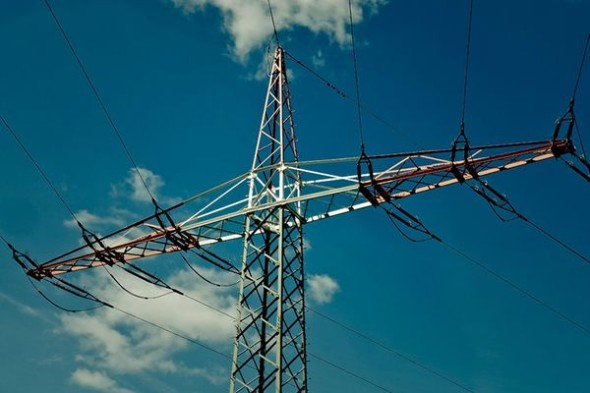
CUB is a key advocate for customer benefits in an Oregon Public Utility Commission (PUC) distribution system planning (DSP) investigation. First, though, what is the distribution system and what kind of planning is needed?
The distribution system takes power from high voltage power lines and delivers it to local end-users, such as households and businesses. Maintaining safe, reliable, and affordable distribution systems requires capital investments. In Oregon, these distribution system investments have historically been in capital improvement plans, but these are not assessed in a PUC process specifically focused on planning for distribution systems. This may have been adequate when the electric grid was a one-way system, but the grid is changing.
The modern grid is characterized by two-way power flow (from utilities to customers and vice versa), an increasing amount of distributed energy resources (DERs) like rooftop solar, battery storage, and a growing number of electric vehicles. Indeed, grid modernization is a critical element of decarbonizing the electric sector.
The growing complexity of the modern electric grid, coupled with the power system’s transition toward a clean energy future, has triggered the need to better understand how utilities are planning for distribution system investments. The PUC’s DSP investigation began last year and is the forum for learning about the current planning practices of our state’s investor-owned electric utilities, identifying best practices from states that have adopted DSP, and developing a DSP process that addresses the interests of Oregon stakeholders.
The PUC investigation has involved a series of webinars to educate stakeholders about the distribution system planning process and obtain input. CUB has been an active participant, and is particularly focused on identifying opportunities for DSP planning that ensure that distribution system investments maximize customer value by increasing customer benefits while lowering customer costs. This is achieved when a distribution system provides reliable, resilient, affordable, and clean energy.
CUB appreciates the PUC’s initiative in engaging stakeholders in the DSP investigation because regulators and stakeholders need a stronger understanding of how utilities can maximize customer value amidst the growing complexity of the distribution system. CUB has provided valuable input to the process, with a focus on representing the interests of residential utility customers. For instance, CUB advocated that distribution system costs must be shared by all customer classes who will receive the benefits and a distribution system plan should consider these cost allocation mechanisms.
CUB’s active participation in the DSP investigation will ensure that the DSP process eventually adopted by the PUC will facilitate customers reaping the maximum benefits from distribution system investments.
To keep up with CUB, like us on Facebook and follow us on Twitter!



06/10/20 | 2 Comments | Distribution System Planning: Moving Forward in Oregon