
CUB Supports Transportation Electrification Legislation
Posted on February 13, 2020 by Samuel Pastrick
Tags, Energy
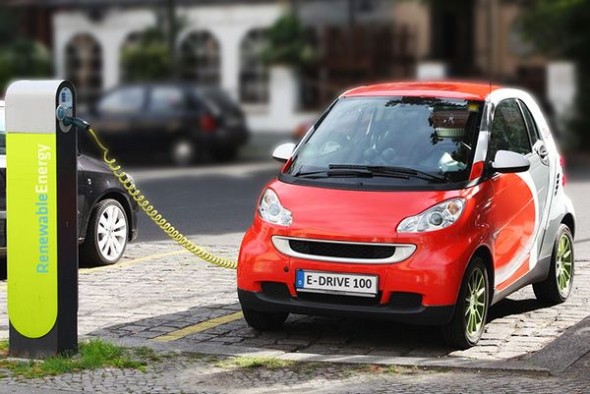
CUB supports electrifying the transportation sector for two reasons. One is reducing greenhouse gas emissions. The second reason is the outsized role that electric vehicles (EVs) play in current and potential electric load growth in Oregon. Today, for instance, roughly six percent of recent and ongoing car sales in Portland General Electric’s (PGE) service territory are EVs. The key to maintaining relatively low costs to consumers, as Oregon’s electric utilities integrate EVs onto their systems, is to facilitate the utilities’ ability to handle this load through managed EV charging and time-of-use programs.
Several bills have popped up this legislative session that, if enacted, would improve how regulated electric utilities impact the needed electrification of the transportation sector.
Currently, Oregon policy evaluates electric utility EV investments primarily in terms of whether they accelerate transportation electrification. This means that a utility program offering rebates to current or potential EV drivers to install grid-connected “level-2” (240 volt) chargers must justify that the driver would not own or seek to own an EV if not for the rebate program. This attribution methodology does not reflect consumer behavior and hinders, rather than facilitates, transportation electrification.
With significant policy input from CUB, HB 4066 and a nearly identical section in HB 4036 (this session’s omnibus transportation bill) strategically widens the lens through which regulated electric utilities can determine their EV-related infrastructure investments, particularly those behind the customer’s meter. This wider lens approach to utility investments facilitates servicing EV load growth and ensuring customer benefits from those investments. These changes will allow electric utilities to move beyond pilot programs to support the critical greenhouse gas reduction step of bringing greater numbers of EVs onto the electric system.
CUB analyzed the extent to which revenues from EV load in PGE’s service territory could facilitate cost recovery for the shared distribution system. We found that if PGE adopts this practice, it could invest nearly $600 per EV added to its system, today. EVs already provide millions of dollars of income to the electric system and, thereby, the electric utilities themselves. Accordingly, utility EV infrastructure investments must benefit all customers and accommodate greater numbers of EVs.
Yet who pays for these investments should relate to who benefits from them. Grid-integrated EV charging (managed charging to help integrate wind and solar and to reduce peak demand on the grid) has significant system benefits. For instance, scaled workplace charging, such as in multi-story parking garages, can potentially absorb peak daytime solar to avoid curtailing use of that resource, and may ultimately reduce power costs for all customers by avoiding curtailed power with zero marginal cost. And grid-integrated charging of residential EVs can benefit the broader electric system by integrating nighttime wind for the electric utility at the least cost.
These and other approaches to moving EV charging from any customer class “off-peak” will benefit all customers by avoiding the purchase of expensive peak energy.
Ultimately, Oregon must analyze EV investments, and all smart grid investments, in terms of their benefits, and allocate costs accordingly. It is appropriate for residential customers to support EV investments at commercial locations to the extent such investments provide energy and capacity benefits to the system for the benefit of all customer classes. Similarly, it is appropriate for commercial and industrial customers to support grid-integrated charging at residential locations to the extent such investments provide energy and capacity benefits.
CUB strongly encourages the Oregon legislature’s support for HB 4066 (as well as the relevant section in HB 4036) and that blog readers contact their legislator(s) to help with our advocacy.
To keep up with CUB, like us on Facebook and follow us on Twitter!



09/05/22 | 0 Comments | CUB Supports Transportation Electrification Legislation