
CUB Gains Seat on the Western Energy Imbalance Market Regional Issues Forum
Posted on December 11, 2020 by Thomas Jerin
Tags, Energy
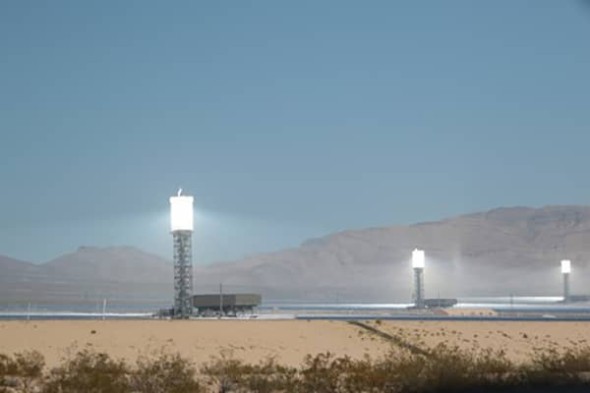
Earlier this year, CUB economist Will Gehrke was elected to serve as a Consumer Advocate Representative on the Regional Issues Forum with the Western Energy Imbalance Market. We here at CUB are very excited about this development; the expert analysis and broad knowledge that Will and CUB use to advocate for Oregon utility customers deserves this kind of regional recognition!
Will and I spoke over Zoom recently to discuss the Western Energy Imbalance Market, his role in the Regional Issues Forum, and what this all means for Oregon consumers.
Can you describe what the Western Energy Imbalance Market (EIM) is? How did this market come about?
The Western EIM is the first real-time energy market in the Western United States. Pacific Power and CAISO were the first participants in this market starting in 2014. The Western EIM automatically finds low-cost energy to serve real-time customer demand. The Western EIM has enhanced the reliability of the electricity system and generated cost savings for Oregonians and western utility customers. Portland General Electric joined the Western EIM in 2017 and Idaho Power joined in 2018.
There’s a couple Oregon based utilities that are involved in this energy imbalance market already, and as time goes on more get involved. Do you see the other Oregon utilities eventually joining into this market?
Yeah, I do. Bonneville Power Administration is planning on joining the EIM in 2022. Bonneville Power Administration owns a huge portion of the transmission system in the Pacific Northwest and supplies power from the huge hydroelectric projects in the Columbia river basin. Major electricity providers such as Avangrid and Avista are also planning on joining in 2022. By 2022, nearly every major utility in the Pacific Northwest will be participating the Western EIM. These expansions will provide more costs savings for utility customers in the region.
On the topic of savings: I’m a Portland General Electric (PGE) customer, I can see that since PGE joined in 2017, they’ve saved just under $100 million by being part of this energy imbalance market. How much of that is actually benefiting me as a customer?
The value from Portland General Electric participating in the Western EIM is passed back to customers. A portion of your electricity bill is calculated based on the costs of generating electricity. The impact of the Western EIM on PGE’s costs is embedded as credit in the costs of generating electricity. The Western EIM saves Oregon customers millions of dollars in power costs on an annual basis.
And if I’m a consumer that is really concerned about climate change and I’m interested in renewable energy, does the EIM serve my interests?
Yes. The Western EIM enables the integration of renewable energy. There’s a win-win. When a utility has excess hydroelectric, solar, or wind power, the EIM can deliver the excess energy to other utilities. California has been installing a significant amount of solar; the Western EIM has enabled electricity demand outside of California to be served by zero-fuel-cost clean solar energy.
So within the energy imbalance market, there is this Regional Issues Forum. And that’s the actual organization that you’re part of. Can you explain what that forum is and what your role is?
The Regional Issues Forum is a group that gathers input and participation from various stakeholder groups in the Western EIM. A broad selection of stakeholders are represented on the forum: investor-owned utilities, publicly owned utilities, independent power producers, public interest organizations, and consumer advocates. The forum meets on a regular basis and receives updates from CAISO staff to basically learn as much as we can about how this market is working. My goal as a liaison is to learn more about the operation of the Western EIM and sharing the information that I learn with other consumer advocates across the West.
Final question: should we have California manage this? A state that had a serious market-based energy crisis in the early 2000s? Do we want our energy system to be so integrated with California?
Yes. California has the largest economy and largest population in the Western United States. There are significant cost savings opportunities for Oregon customers, if our utilities work with California with coordinated system operation to better use the transmission and generation system. This is nothing new; for decades, California has purchased energy from the Pacific Northwest’s hydroelectric dams in the Columbia river basin. Additionally, we need consumer advocates across the West to understand the potential here, to understand what’s going on, and how the regional markets can help Western utility customers.

To keep up with CUB, like us on Facebook and follow us on Twitter!



12/15/20 | 0 Comments | CUB Gains Seat on the Western Energy Imbalance Market Regional Issues Forum