
Charging Ahead: PGE Proposes Two New Pilot Programs
Posted on April 12, 2019 by Mike Goetz
Tags, Energy
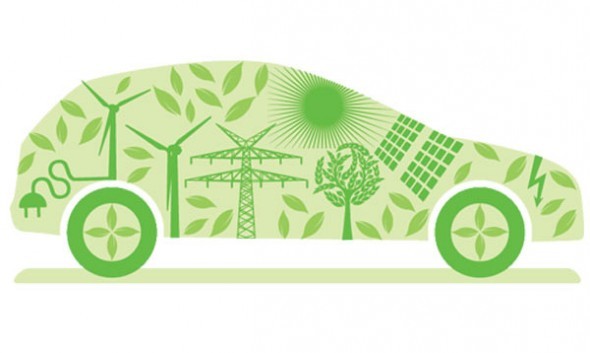
When the Oregon Legislature passed the Clean Electricity and Coal Transition Plan (SB 1547) in 2016, the state was taking a hard look at ways to decarbonize its electric mix beyond the two main tenets of the law: removing coal costs from end use rates; and increasing Oregon’s Renewable Portfolio Standard. The legislature was already beginning to cast its gaze on the nation’s largest source of carbon dioxide emissions: the transportation sector. Although sometimes lost in the shuffle amid conversations surrounding coal and renewables, SB 1547 made a broad declaration regarding transportation electrification, stating that it is “necessary to reduce petroleum use, achieve optimum levels of energy efficiency and carbon reduction, meet federal and state air quality standards, meet [Oregon’s] greenhouse gas emissions reduction goals . . . and improve the public health and safety.” Beyond this declaration, the legislature directed the electric utilities to file both long-term plans and shorter-term pilot projects to accelerate transportation electrification.
That was three years ago. Where are we now? Well, both Portland General Electric (PGE) and Pacific Power filed applications that were litigated and eventually approved by the Oregon Public Utility Commission. As detailed in a previous blog post, CUB’s main concern was to ensure that electric vehicle (EV) investments should bring benefits to both ratepayers and the utility’s system as a whole. A core underpinning of our advocacy is the fact that the broad balance—around 80 percent depending on which citation you find—of EV charging occurs at home. In order to receive the greatest benefit from the load that EVs bring to a utility’s system, it is essential that most of the charging be shifted away from peak demand hours in order to avoid the increased power costs that lumpy EV load can add to the system. If you can persuade customers to charge their cars during off-peak times, the utility’s system can realize great benefits; for example, more renewables can be integrated and the fixed costs of the system will be spread out over more retail sales, putting downward pressure on rates.
Therefore, when CUB was entering settlement negotiations on PGE’s relatively modest EV pilot programs, we wanted to make sure that the utility was conducting its due diligence and thinking creatively about how to get residential customers to charge their cars during off-peak times in a mindful way. CUB’s eventual support of PGE’s initial EV pilot programs was conditioned on PGE’s assurance that it would come back and file a residential EV charging pilot that featured both a rebate for level 2 charging infrastructure and a mechanism to ensure that customers would not be plugging in their cars during times of peak need. Without getting too far into the engineering weeds, level 2 charging is important because it is about twice as fast as a level 1 charger connected to a normal home outlet. Being able to fully charge a car in about five hours compared to ten can do a lot to alleviate any potential burden on the utility’s system from an influx of EV charging.
Fast forward to earlier this year, and PGE filed the pilot project contemplated in the settlement of its earlier EV proposal, and it also proposed a new business charging pilot program. PGE’s residential EV charging pilot is merely a proposal at this time. CUB, along with other stakeholders, met with the utility earlier this week to discuss the substance of its filing and determine the process needed to fully vet the pilot before its rollout. The residential EV charging pilot will provide various rebates for level 2 charging over a three-year period, and these chargers will be connected (via cellular network or WiFi) to the utility’s system to enable PGE to more seamlessly integrate the charging load into its system. This connectivity will also eventually enable the utility to utilize demand response, varying the level of charging to shift the EV charging load to off-peak times. This would also allow the company to vary charging at night to match the variability of wind. CUB looks forward to continuing to review PGE’s proposal to ensure that any and all customer dollars are spent in the most productive way that offers the greatest benefit to the utility’s system.
For its part, PGE’s other “business EV charging pilot” will seek to help spur development of public charging infrastructure in apartment complexes, small businesses, workplaces, and other nonresidential arenas throughout its service territory. It is no secret that the more visible EV charging infrastructure is, the more likely customers are to purchase EVs. More available charging across Portland will hopefully continue to promote the legislature’s goal of getting more EVs on the road in an increasingly electrified world.
CUB looks forward to working with stakeholders to continue reviewing these proposals. While pilot programs like PGE’s are a necessary and important step to spur EV deployment across Oregon, we are still hopeful that a change in the regulatory paradigm can lead to increased adoption. The future is undoubtedly uncertain. However, there two things that you can count on: 1) more EVs will continue to proliferate throughout our state, and 2) CUB will continue to scrutinize utility spending proposals to ensure the maximum benefit for both ratepayers and the system as a whole.
To keep up with CUB, like us on Facebook and follow us on Twitter!



04/12/19 | 0 Comments | Charging Ahead: PGE Proposes Two New Pilot Programs