
Building with Less Climate Pollution: Building Decarbonization 101
Posted on March 30, 2022 by Charlotte Shuff
Tags, Energy
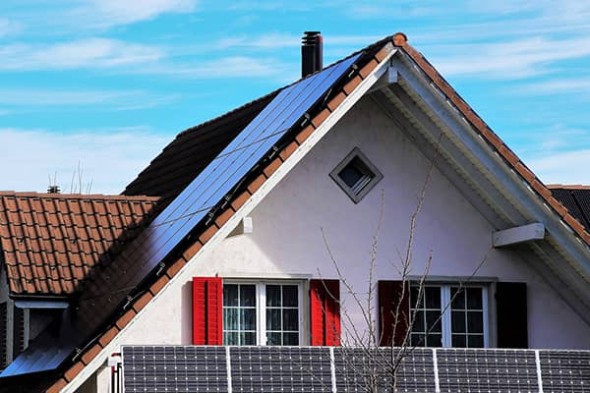
To create a future that cares for both people and planet, we need to build better. Better homes, better places of work, better schools, better buildings. In this blog, we will cover why buildings are a major climate issue, explore “decarbonization,” and look at action steps for building with less climate pollution.
Why are Buildings a Climate Issue?
In Oregon, buildings are the second largest and longest lasting source of climate pollution. Each stage of life and use in our homes, stores, and offices contributes to the problem of climate change. Buildings create pollution from direct and indirect sources, primarily related to their energy use.
Direct sources include:
- Burning fuels for heating and cooking (gas stoves, gas heaters, wood burning stoves, etc.)
- Gas leaks from gas lines or pilot light issues
- Refrigerant leaks (hydrofluorocarbon) from refrigerators or air conditioners
Indirect sources include the fuels used when generating electricity. As Oregon works toward 100 percent clean electricity by 2040, this indirect source of climate pollution will continue to approach zero.
What is Decarbonization?
“Decarbonization” is an increasingly popular phrase that means reducing climate pollution from greenhouse gases. Greenhouse gas is a major contributor to our changing climate. There are many sectors included in these efforts, such as transportation, electricity, manufacturing, and building.
What is Building Decarbonization?
When we create a new building, decisions are made that impact how much greenhouse gas pollution it will give off in its lifetime. Since buildings are often used for 50+ years, these impacts add up over generations. By decarbonizing buildings, we can eliminate a large amount of pollution to make safer and healthier communities.
When thinking about how to reduce building emissions, here are a few examples:
- Switching to electric appliances from natural gas (methane)
- Energy efficiency measures to reduce energy use
- High efficiency heat pumps for water and air heating/cooling
- Updating building codes to require higher energy standards
- Options for rooftop solar for homes and businesses
CUB is Working Toward Healthier Buildings – And You Can Too!
Over CUB’s history, we have worked to make Oregon a national leader when it comes to improving the efficiency of Oregon’s buildings. For example, the average home has seen its energy use (electric and gas) fall by more than 15 percent since 1990. In 2021, CUB helped pass the 100 Percent Clean Bill, which will make electricity emissions-free by 2040. As our state moves toward all clean electricity, decarbonizing buildings is a new priority.
This year, CUB worked in coalition with community organizations to help pass the Resilient Energy Efficient Building (REBuilding) Task Force (SB 1518). The task force will examine building greenhouse gas reduction policies, including building codes, and recommend policies for 2023 to make new and existing buildings more climate friendly. And it includes a seat for a residential utility customer advocate, like CUB.
While the largest impact to decarbonize buildings is at the policy level, there are some ways that you can help on a personal level. Read here about options for making your home more energy efficient.

To keep up with CUB, like us on Facebook and follow us on Twitter!



03/30/22 | 0 Comments | Building with Less Climate Pollution: Building Decarbonization 101