
Be a Smart Consumer: Watch Out for Scams
Posted on March 16, 2020 by Janice Thompson
Tags, General Interest
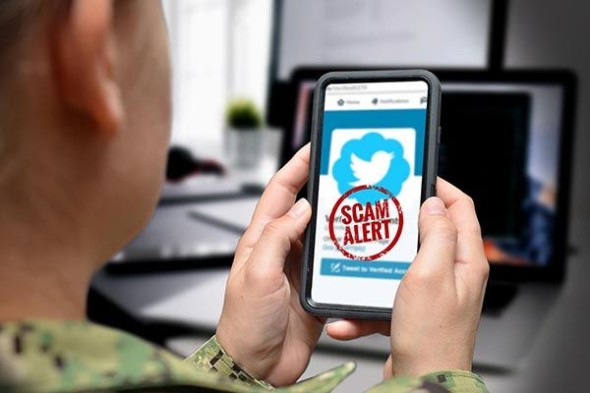
Editor’s note: as the COVID-19 pandemic has been rapidly evolving in recent weeks, reports of new scams related to the virus and exploiting public panic have exploded, both across the internet and in other settings. The IRS also announced on March 17 that the 2020 tax filing deadline is delayed for 90 days, giving Americans extra time to file, which is likely to trigger further tax scams beyond the ones mentioned in this article. Stay vigilant out there.
Here is the situation: a CUB staff person gets a phone call with a pushy message along the lines of: “Hello, your electricity bill is overdue, please push #1 on your phone and enter your credit card information to avoid your power getting shut off tomorrow.”
Now my colleague was pretty sure his bill had been paid and thought it highly unlikely that his utility company would make such a phone call. Sure enough, checking his electricity account showed he was paid up. His next step, contacting his utility company, confirmed that this isn’t how they notify customers of overdue bills.
Yep, it was a scam call. Scams like these tend to crop up cyclically - customers should watch out for fraudulent notices of utility shutoffs and other threats to their service, and be aware of the risks that come with taking such notices at face value. Any message that demands that the customer hand over their credit card or other sensitive personal information is potentially an attempt to commit identity theft. When in doubt, contact your utility provider at the customer service number listed on their website, or on mail you’ve received from them, to verify any notices you receive outside of normal monthly bill statements.
Notices about service shutoffs are particularly suspect at this time because, due to the rapidly developing coronavirus pandemic, most major utility providers serving Oregon customers have announced moratoriums on disconnections due to late/non-payment until further notice. Unfortunately, the pandemic has triggered other scams that as a consumer advocate, we want our readers to be aware of, even though some are beyond CUB’s utility focus.
Oregon’s Attorney General Ellen Rosenblum has issued a coronavirus price gouging alert. More information on price gouging and other scams are at the Oregon Department of Justice website.
At the federal level, the Secret Service has issued a coronavirus “phishing” alert. This is a fraudulent practice of sending emails claiming to be from reputable businesses in order to convince individuals to reveal personal information like passwords or credit card numbers. Regarding the coronavirus pandemic, the alert particularly warns of emails that claim to be issued from legitimate health or medical groups, like the World Health Organization.
In addition, the Federal Trade Commission and Food and Drug Association have teamed up on warning letters to companies selling products claiming to treat or prevent the coronavirus. More information on actions take by these two federal agencies can be found here. Finally, it is tax filing season and the IRS has been tracking and tallying numerous consumer alerts about tax scams. Check out these warnings here.
Stay safe out there. We hope these resources give you the information needed to protect yourself and your loved ones, and avoid the panic and anxiety that feeds scammers and other bad-faith actors, particularly in times of crisis.
To keep up with CUB, like us on Facebook and follow us on Twitter!



03/25/20 | 0 Comments | Be a Smart Consumer: Watch Out for Scams